Our approach to biodiversity in renewable energy in Wales
Our approach to biodiversity in renewable energy aims to protect nature whilst also considering the needs of the local farmers and communities. That’s why our projects are designed following ecology and ornithology guidelines formed by experts and organisations from both Wales and Scotland.
While each site will be different, our goal remains the same: to generate clean energy and deliver meaningful biodiversity enhancements whenever we can.
Why biodiversity matters in renewable energy
Tackling climate change and protecting nature are two sides of the same challenge. Renewable energy helps reduce carbon emissions, but how and where projects are built also has a direct impact on wildlife, landscapes, and communities.
In Wales, Planning Policy (PPW) requires us to deliver a Net Benefit for Biodiversity (NBB), and across the UK there’s growing strength in planning policy focus on ensuring developments support nature recovery.
For us, this means:
- Designing projects to reduce direct impacts on sensitive habitats and mitigating and compensating responsibly where impacts are unavoidable.
- Looking for opportunities to enhance biodiversity, for example through restoration and creation of priority habitats, hedgerow planting, or pond creation.
- Working in partnership with farmers, landowners, and local communities to make sure energy and nature thrive together.
By taking this approach, we ensure renewable energy doesn’t just power homes and businesses – it also supports wildlife and strengthens ecosystems for the lifetime of our projects.
How do renewable energy developers balance biodiversity, farming, and community needs?
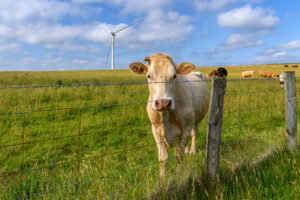
Landowners and farmers: We collaborate closely to design projects that complement farming, supporting both energy generation and productive land use through tailored management that benefits agriculture, wildlife, and local livelihoods, such as allowing grazing around projects or improving soil structure.
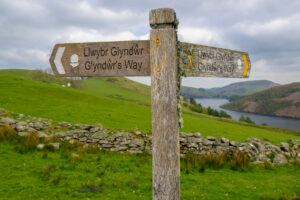
Common land and cultural landscapes: We respect local heritage, community rights, and traditional land uses.
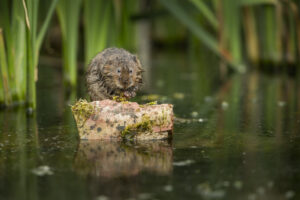 Biodiversity: Sensitive habitats are avoided where possible, and opportunities for habitat enhancement and creation are pursued.
 Communities: We consult early, listen to concerns, and design projects that deliver shared benefits.
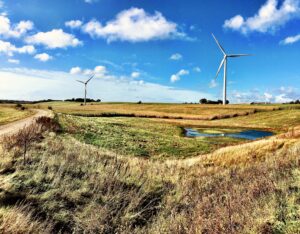
What does “Net Benefit for Biodiversity” mean in Wales?
In Wales, all development projects are expected to deliver a Net Benefit for Biodiversity (NBB). This means that nature must be in a better state after the development than it was before.
- Planting new hedgerows or trees to provide habitat connectivity.
- Restoring habitats that support wildlife.
This requirement comes from the Environment (Wales) Act 2016 and Planning Policy Wales. Together, they ensure that climate action and nature recovery go hand in hand.
How is Wales’ NBB different from England’s Biodiversity Net Gain (BNG)?
Both Wales and England want to make sure that developments help nature – but the systems are different:
Wales – Net Benefit for Biodiversity (NBB)
Focuses on the consideration of biodiversity and wider ecosystem benefits. There is no mandatory length of time for management.
Flexible, linked to the Well-being of Future Generations Act.
Developers must show meaningful enhancements but are not tied to a % figure.
England – Biodiversity Net Gain (BNG)
Uses a quantitative metric system with a mandatory 10% biodiversity gain, measured in “units”, to be delivered, and secured for 30 years.
Strictly metric-based, with rules set in national legislation.
Developers must deliver the minimum of 10% gain, on site or off site, by law (Environment Act, 2021).
In simple terms: NBB asks “is biodiversity within and around your development better than before, and is resilient to future climate change impacts?”, while BNG asks “have you delivered a measurable gain of at least 10% as part of your development?”
What is a Habitat Management Plan?
A Habitat Management Plan (HMP) is a document that sets out how we will deliver NBB through habitat management and enhancement measures over the lifetime of the project. This may be through grazing or mechanical management of habitats or the creation of new habitats on site.
We will produce an outline HMP for every planning application we submit to Welsh Ministers for our projects. (This sits alongside other documents like a Construction Traffic Management Plan, and an outline Construction Environment Management Plan).
The outline HMP usually includes:
- A summary of baseline ecology and ornithology surveys that have informed the outline HMP.
- Objectives of the outline HMP and what is aims to deliver.
- Principles of habitat management that will be used to deliver the objectives
- Any monitoring requirements to ensure the benefits and objectives are being delivered and maintained.
A final, detailed HMP will be submitted for approval before development commences as part of the planning condition discharge process, which is a legal obligation as part of the planning consent.
Think of it as a roadmap for nature recovery alongside renewable energy development.
Further Resources
Want to explore the policies and guidance behind our approach? These resources provide more detail:

Keep updated with all the latest news