Wind, Water and Wales – How hydrology shapes wind farms.
By guest blogger: James Mortimer, Director at Aqua Terra Consulting
By guest blogger: James Mortimer, Director at Aqua Terra Consulting
As Wales continues its transition to renewable energy, the rise of onshore wind has sparked important conversations, not just about energy, but about land, water, and nature. Among the concerns often raised are questions like:
These are valid questions. Hydrology – the study of water in the environment – is central to answering them. It plays a critical role in ensuring that wind energy developments support not just climate goals, but also biodiversity, water security, and land health too.
In this blog, I’ll explain what hydrologists like me do during the planning and consenting stage of onshore wind, how we help protect and even restore sensitive environments like peatlands, and why responsible water management is key to long-term sustainability across rural Wales.
Hydrology is about much more than “where the water goes.” It’s a detailed, science-based approach to understanding how water moves through landscapes, and how changes to land use might affect that movement.
Here’s what a hydrologist like me typically assesses:

This work is part of the Environmental Impact Assessment (EIA) and feeds into Habitat Management Plans (HMPs) required by planning authorities. Each site is different. Welsh uplands are not the same as lowland farms, but the principles are consistent: protect water, protect nature, and plan for long-term resilience.
 Sheep farming + wind access: Access tracks must be designed so they don’t over-drain fields or increase erosion. Good design protects grazing land and avoids costly repairs.
 Community flooding concerns: Residents may worry that new developments will change water flows and increase flood risk. We (hydrologists) consider these potential risks in advance, and design attenuation ponds, swales, or controlled drainage to mitigate them.
 Landowners’ assurance: Farmers and estate managers need confidence that peat soils won’t be degraded. Hydrological and habitat surveys identify sensitive areas requiring avoidance and protection.
The Welsh Government’s commitment to a Net Benefit for Biodiversity (NBB) means developments must leave nature better off than before, and hydrology plays a central part in this.
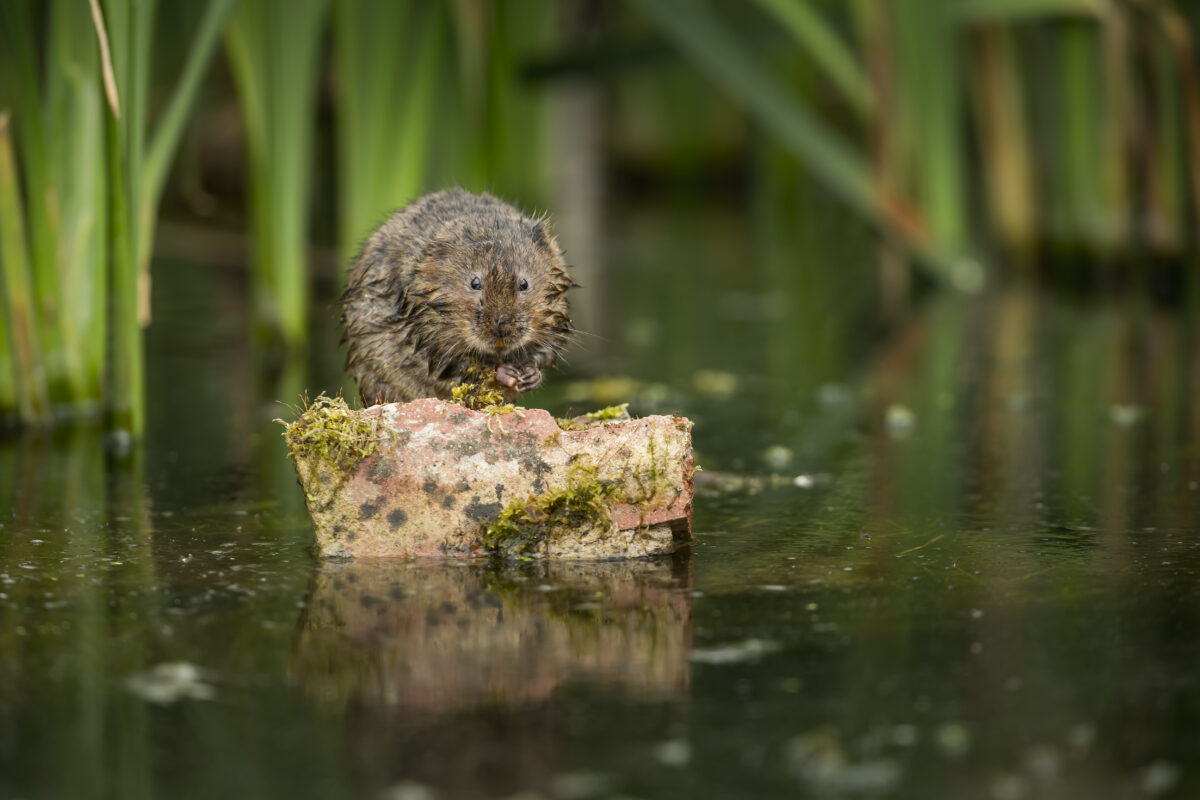
Peatlands, wetlands, and riparian zones (areas next to streams) support a wide range of species, from breeding waders and amphibians to rare mosses and dragonflies. When wind farms are planned with hydrology in mind, they can actually enhance these habitats.
Re-wetting drained peatlands to restore their natural function.
Creating buffer zones around watercourses to prevent erosion and sedimentation.
Designing runoff management systems that feed into new ponds or scrapes, providing habitat for wildlife.
In Wales, onshore wind isn’t just about generating electricity – it’s about doing so in a way that supports thriving ecosystems, resilient communities, and sustainable rural economies.
Hydrologists bring the science and foresight needed to make this happen. We help ensure that the renewable energy powering our future also protects the peat beneath our feet, the rivers in our valleys, and the habitats that make Wales unique.
Our approach to biodiversity in renewable energy aims to protect nature whilst also considering the needs of the local farmers and communities.
Learn more
Keep updated with all the latest news